When dealing with a dead tree on their property, most people tend to have the entire tree removed completely. This seems like the obvious choice—no one wants a large, dead stump in their yard, they want the whole thing gone. Sometimes, however, leaving part of a dead tree behind can be the smart thing to do. Let’s talk about snags, and how they benefit the environment around them.
A snag, or a dead tree that is left partially or completely standing, is a great option to leave behind for people who are thinking of removing dead trees on their property. They offer habitat for plenty of creatures such as beetles, squirrels, and birds. Snags serve the same purpose whether they’re in someone’s yard in an urban setting, or in a wild forest. While seeing dead trees in a forest might sound like a concern, snags are actually a sign of a healthy ecosystem! According to the National Audubon Society, a forest that is made up of 5 to 10% snags is thriving.
The Ultimate Wildlife Condo: From Pests to Predators
Snags provide shelter for an incredible array of creatures. Starting off small, there are many wood-eating insects that dwell in trees. While these insects cause harm to living trees and are often considered pests, they still play a vital role in the ecosystem. If they have an abundance of dead wood to eat, they are less likely to destroy the living trees.
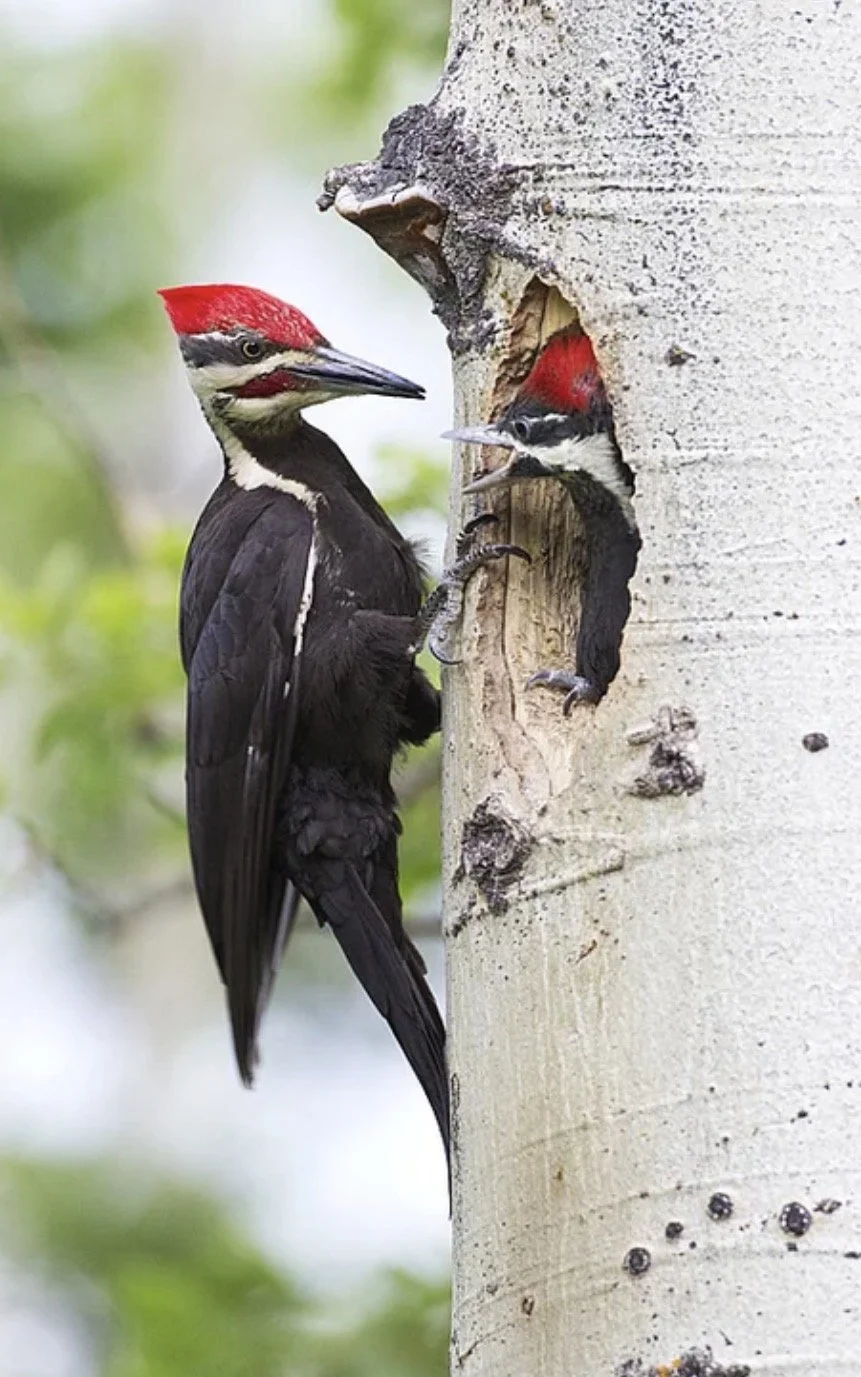
These small insects are in turn eaten by larger organisms, such as woodpeckers, shrews, opossums, bats, and armadillos. Many of these larger animals also live in the snags, alongside squirrels and nesting birds. The softer dead wood of a snag falls apart more easily to create small holes where these animals can develop nests.
The Underground Nutrient Network
Another reason to leave snags in your yard is to welcome decomposers like lichens and fungi, which break down deadwood to naturally enrich your soil and reduce the need for synthetic fertilizers.
The mycelial networks that colonize these snags don't just stay put—they connect with surrounding plants in a massive underground trade network. By shuffling carbon and vital nutrients from the decaying wood directly to living roots, this cooperative ecosystem creates a mutually beneficial relationship that helps your landscape thrive. Best of all, these nutrients are anchored to your land—unlike synthetic fertilizers that run off your property and leach into the water supply to cause harmful algal blooms downstream.
The Surprising Lifespan of a Dead Tree
A live tree can serve to create shade and provide edible fruit, but a dead tree left standing can be all of that and more.
Sources & Further Reading
Edmonton and Area Land Trust: Science Spotlight: Snags
Nature Conservation: The ecological value of deadwood
Oikos Journal: Mycelial networks and nutrient cycling in forest ecosystems
Pete Hillman Photography blog: Deconstructing the World
Phys.org: Dead trees are alive with fungi
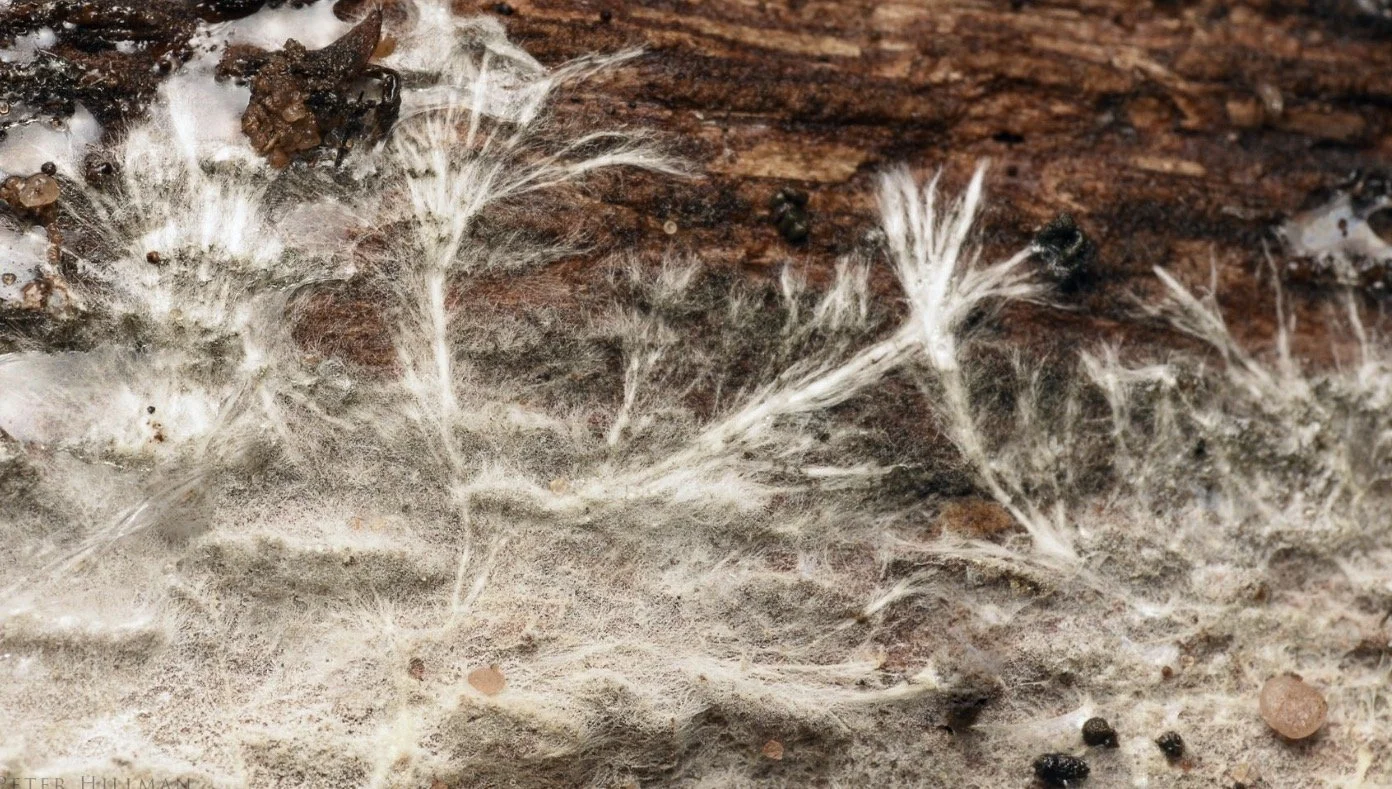
Fungus breaking down wood